
P MOHANRAJ & OTHERS Vs. M/s. SHAH BROTHERS ISPAT LTD. (CIVIL APPEAL NO.10355 OF 2018)
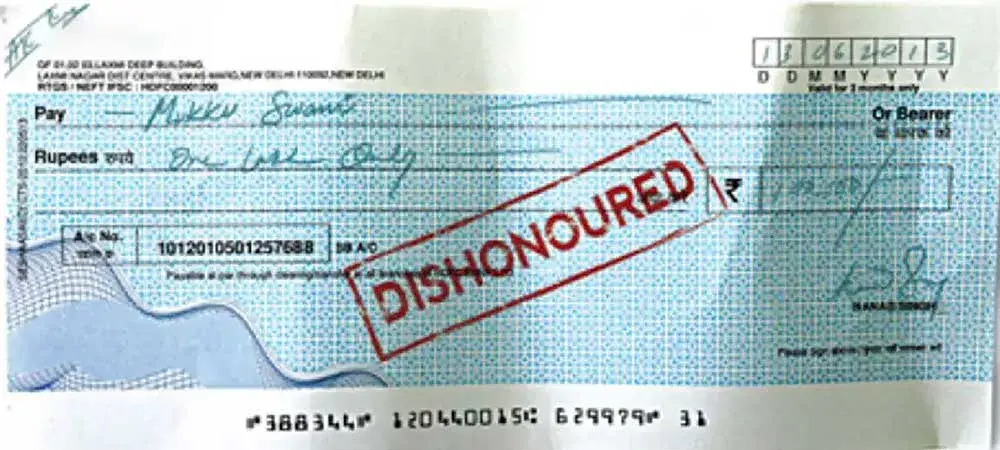
The question before the Supreme Court was whether any proceedings can be initiated against a Company under Section 138/141 of the Negotiable Instruments Act, 1881 (“NI Act”) for dishonoured cheques, if NCLT has already passed an order of moratorium under the Insolvency and Bankruptcy Code, 2016 (“IBC”) against the Company. As per Section 14 of the IBC, if Corporate Insolvency Resolution Process (“CIRP”) is initiated against a Company, a moratorium is provided on all judicial proceedings against the Company.
Brief Facts:
In this case, Shah Brothers Ispat Pvt. Ltd. (“Respondent”) supplied steel products to M/s. Diamond Engineering Chennai Ltd. (“Appellant”) during 2015-16. The total cost of the supplies amounted to Rs. 24,20,91,054/- and the Directors of the Appellant issued 51 Cheques to the Respondents. The cheques got dishonored as a result of “insufficient funds” in the bank account of the Appellant. The Appellants further issued two more cheques, which also got bounced due to “insufficient funds”. The Respondents filed criminal proceedings under Section 138 and 141 of the NI Act in Mumbai. The Respondents also started insolvency proceedings against the Appellants under section 8 of the IBC and the Adjudicating Authority ordered to start CIRP against the Appellants. The National Company Law Tribunal (“NCLT”) stayed the proceedings under Section 138 of the NI Act filed against Appellant as the moratorium was in effect. The Respondents appealed against this Order before the National Company Law Appellate Tribunal (“NCLAT”). NCLAT overruled the NCLT judgment reasoning that the proceedings under Section 138 are criminal in nature, which empowers the trial court to pass an order of imprisonment or fine, and therefore, the same cannot be held to be proceeding or any judgment or decree of money claim within the meaning of Section 14 of the IBC. Against this NCLAT Oder, the Directors of Appellant approached the Apex Court.
Judgment
The Supreme Court Bench comprising Justice RF Nariman, Justice Navin Sinha and Justice KM Joseph, in its judgment dated March 1, 2021, based their judgment on whether any decision out the “proceedings” will cause a depletion of the assets of the corporate debtor during the CIRP process which will negatively affect the Corporate Debtor from getting back on its feet during the resolution process. The Apex court analyzed this issue from various angles and held that the proceedings under Section 138/141 of the NI Act cannot be initiated against a corporate debtor if the NCLT has already passed an order of moratorium under the IBC. The Supreme Court observed that a quasi-criminal proceeding like the one under the Section 138 of the NI Act will result in the assets of the Corporate Debtor being depleted as a result of having to pay compensation which may amount to twice the amount of the dishonored cheque.
The Supreme Court further noted that the proceeding under Section 138 is a legal proceeding “in respect of” a debt, and the words “in respect of” includes “anything done indirectly or directly” connected with it. The Apex Court reviewed various judgments on Section 138 and held that a quasi-criminal proceedings under Section 138 will fall under the definition of a “proceedings” provided under Section 14 (1)(a) of the IBC.
Supreme Court did not extend the benefit of moratorium on judicial proceedings in cheque bounce cases to the Directors or Signatories of cheques of the Corporate Debtor, holding that criminal cases would continue against the signatories of cheques as they are "natural persons".



We Provide Legal Solutions to Grow your Business
RMA Legal (RMA) is established by a team of dedicated professionals coming from varied streams of law. The foundations of RMA are knowledge, faith, integrity and trust.